
That February Morning in Clareview When the Furnace Never Stopped
You know the scene: it is minus thirty-two outside, the sun is barely up, and your EPCOR bill just landed with a thud. You stand in the living room of your Clareview bi-level, coffee in hand, watching frost creep along the edges of that big picture window. The furnace clicks on again—for what feels like the tenth time since you woke up. Heat is pouring out of your home faster than you can produce it, and most of it is escaping through glass.
Cellular shades in Edmonton East solve this problem by trapping a layer of still air inside honeycomb-shaped pockets, creating insulation right at the window where heat loss is worst. For homeowners in 1970s-1990s split-levels and bi-levels—the dominant housing stock across Belmont, Clareview, and the broader Edmonton East area—these shades can turn those big, beautiful picture windows from energy liabilities into assets.
Made in the Shade Edmonton East specializes in professional measurement and installation of cellular honeycomb blinds designed for our extreme winters. If you are tired of watching your heating dollars vanish through the glass, this guide walks you through exactly why cellular shades work, how to choose the right option for your home, and what to expect from installation.
Why Edmonton East Windows Bleed Heat—and How Cellular Shades Fight Back
The Physics of a Cold-Climate Window
Glass is a poor insulator. Even double-pane windows common in Edmonton East’s older bi-levels allow significant heat transfer through conduction and radiation. When outdoor temperatures drop to minus thirty, the temperature difference between your living room and the outside can exceed fifty degrees Celsius. That gradient pulls heat toward the cold side relentlessly.
Standard blinds and drapes do little to slow this process because they do not create a sealed air pocket. Cellular shades are different. Their honeycomb structure traps air in discrete cells, and still air is one of the best insulators available. The effect is similar to how a down jacket keeps you warm—not by generating heat, but by preventing your body heat from escaping.
Single-Cell vs. Double-Cell: Which Matters Here?
Cellular shades come in single-cell and double-cell configurations. Double-cell shades stack two layers of honeycomb pockets, roughly doubling the insulating air space. For Edmonton East homeowners dealing with sustained minus-twenty-to-minus-forty stretches, double-cell shades offer noticeably better performance on large picture windows. Single-cell shades still outperform standard blinds and work well on smaller windows or in rooms where budget is tighter.
The table below offers a general comparison:
| Feature | Single-Cell Cellular Shade | Double-Cell Cellular Shade |
|---|---|---|
| Air Pockets | One layer | Two layers |
| Relative Insulation | Good | Better |
| Best Use Case | Smaller windows, budget-conscious | Large picture windows, extreme cold |
| Light Filtering Options | Sheer to blackout | Sheer to blackout |
| Typical Price Range | Lower | Moderate |
During your free in-home consultation, Made in the Shade Edmonton East can measure the actual window dimensions in your Belmont or Clareview home and recommend the cell configuration that balances performance and budget for each room.
Choosing the Right Cellular Shades for Edmonton East Homes
Matching Shades to Your Home’s Architecture
Edmonton East’s housing stock leans heavily on bi-levels and split-levels built between the 1970s and 1990s. These homes often feature large picture windows in the front living area, sliding patio doors off the kitchen or dining room, and smaller casement windows in bedrooms. Each window type benefits from a slightly different approach:
- Picture windows: Double-cell, light-filtering shades maximize insulation while still letting daylight into your main living space.
- Sliding patio doors: Vertical cellular shades or a cellular shade on a continuous-loop track allow easy access while insulating the large glass panel.
- Bedroom casements: Single-cell blackout shades balance privacy, darkness for sleep, and energy savings.
The goal is to create a consistent thermal envelope across all your windows without sacrificing the natural light that makes Edmonton East winters more bearable.
Colour, Fabric, and Light Control
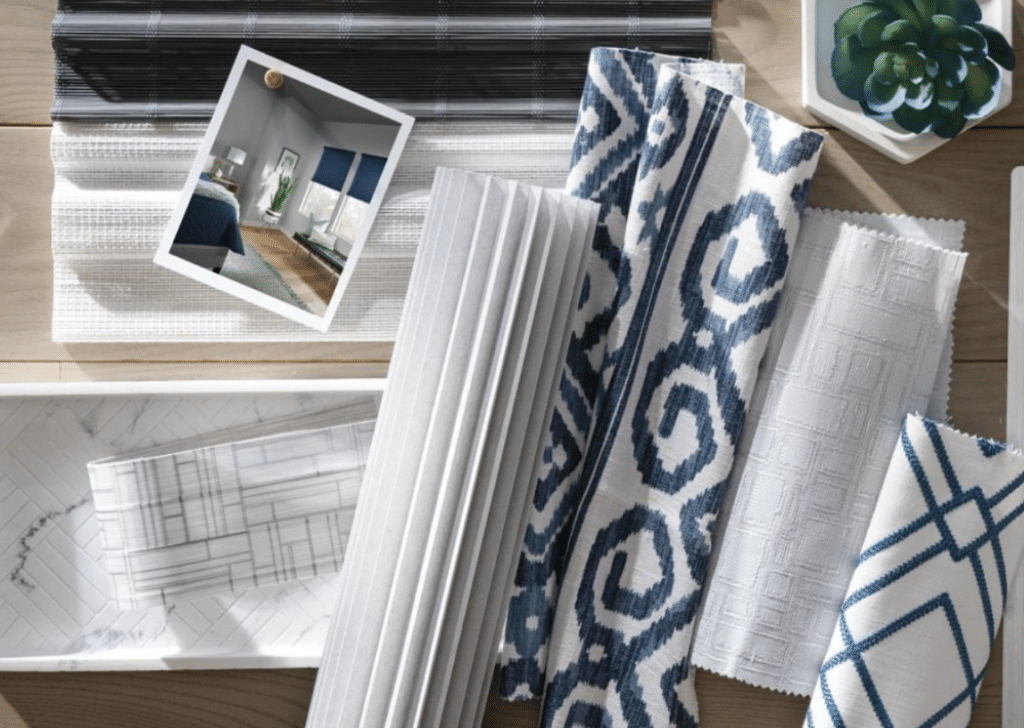
Cellular shades come in a wide spectrum of colours and opacities. Neutral tones—whites, creams, greys—complement the clean lines of mid-century Alberta homes and reflect more light into the room during our short winter days. For bedrooms or media rooms, blackout fabrics block light entirely while still providing full insulation.
If you live near a busy street—say, along the corridor between Clareview Recreation Centre and Belmont Town Centre—you may also appreciate the noise-dampening effect of honeycomb shades. The same air pockets that slow heat transfer also absorb some sound, making your home quieter and more comfortable.
What Installation Looks Like—and Why Professional Measurement Matters
The Cost of a Bad Fit
Cellular shades only insulate well when they fit precisely. Gaps along the edges allow warm air to slip past the shade and contact the cold glass, creating convection currents that defeat the purpose. In older Edmonton East homes, window frames are rarely perfectly square after decades of settling. An off-the-shelf shade measured with a tape measure and ordered online often leaves half-inch gaps that slash performance.
Made in the Shade Edmonton East uses professional laser measurement tools to capture the exact dimensions of each window opening. Shades are then fabricated to those specifications, ensuring a snug fit that maximizes the insulating air pocket.
Inside Mount vs. Outside Mount
Most homeowners prefer an inside mount, where the shade sits within the window frame for a clean, built-in look. However, if your window trim is shallow or the frame is significantly out of square, an outside mount—where the shade attaches to the wall above and around the frame—may provide better coverage and insulation. Your installer will assess both options and recommend the one that works best for your specific windows.
“A cellular shade that fits perfectly can reduce heat loss through a window noticeably—but a shade with edge gaps may perform no better than a basic roller blind. Fit matters more than almost any other variable.”
Bringing It All Together: The Verdict for Edmonton East Homeowners
If you own a bi-level or split-level in Clareview, Belmont, or anywhere across Edmonton East, cellular honeycomb shades are one of the most practical upgrades you can make before the next deep freeze. They address the specific problem—massive heat loss through large picture windows—that drives up EPCOR bills every winter. Double-cell shades offer the best insulation for our climate, while single-cell options provide a budget-friendly alternative for smaller windows.
Professional measurement and installation ensure you get the full benefit of the technology rather than leaving gaps that let your heating dollars escape. Made in the Shade Edmonton East handles the entire process, from the initial consultation to final installation, using manufacturer-backed fabrics and hardware.
Ready to stop feeding heat to the outdoors? Book your free in-home cellular shade consultation and get a winter energy savings estimate for your Edmonton East home. Call (780) 238-8975 or request a visit online. We serve Clareview, Belmont, and all surrounding Edmonton East neighbourhoods.
Frequently Asked Questions
How do cellular shades compare to standard blinds for Edmonton winters?
Standard aluminium or vinyl blinds have no insulating air pocket—they simply block light and provide some privacy. Cellular shades trap still air inside honeycomb cells, which slows heat transfer through the window. In a climate where outdoor temperatures regularly drop below minus twenty, that trapped air layer can meaningfully reduce the workload on your furnace and lower your EPCOR heating costs.
Can I install cellular shades myself, or should I hire a professional in Edmonton East?
You can install cellular shades yourself if you are confident in your measuring skills and your window frames are square. However, the older bi-levels and split-levels common across Edmonton East often have frames that have shifted over time. A professional installer uses precision tools to capture exact dimensions and recommends inside or outside mounts based on each window’s condition, ensuring the shade fits tightly and insulates properly.
Do cellular shades help in summer as well as winter?
Yes. The same air pockets that slow heat loss in winter also slow heat gain in summer. When closed during hot afternoons, cellular shades reduce the amount of solar heat entering your home, which can ease the load on your air conditioner. This dual-season benefit makes them a practical year-round investment for Edmonton East homeowners.